
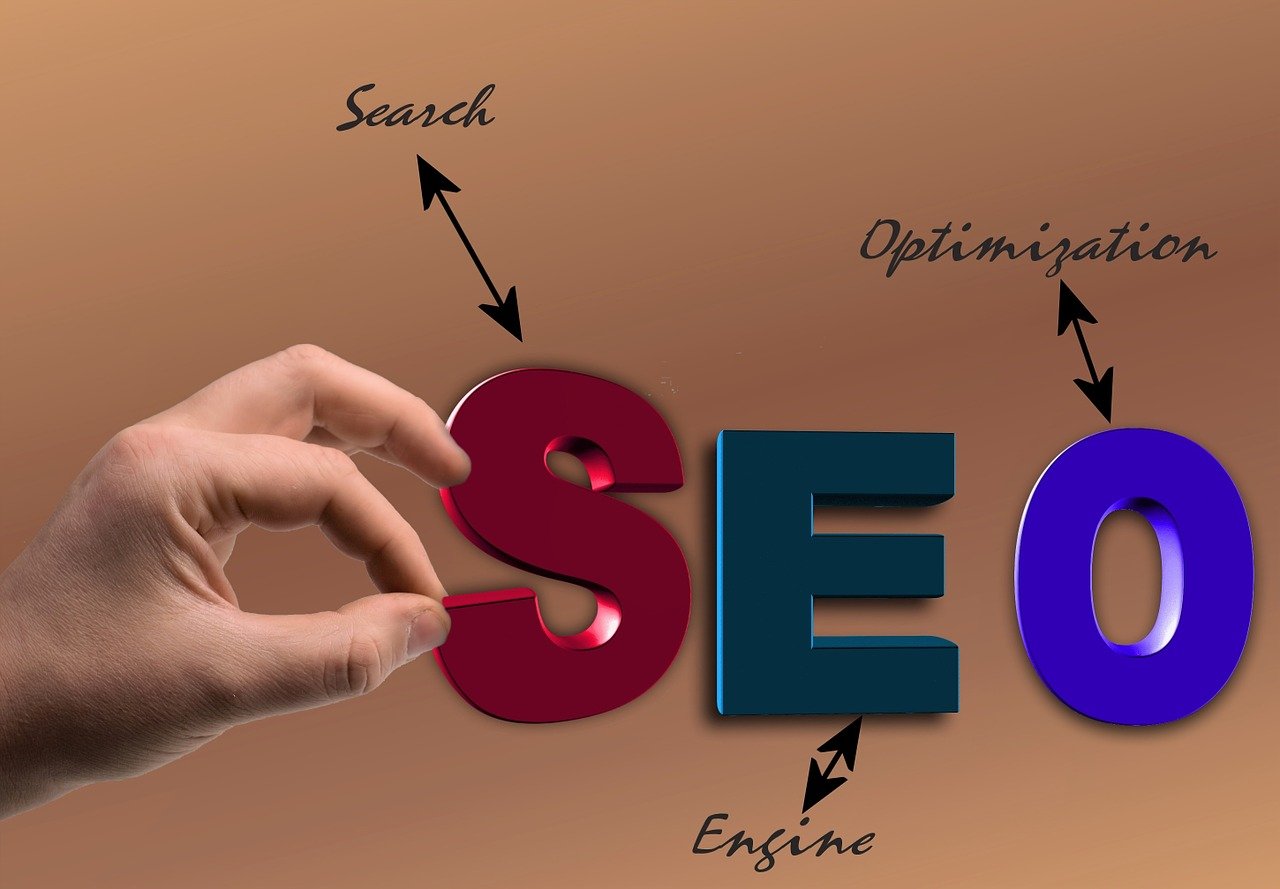
SEO services remains the cornerstone of online visibility and growth. As generative AI reshapes search, it no longer suffices to rank well—you must also appear first in AI-generated answers. This guide provides an in-depth, GEO‑optimized roadmap—complete with data, actionable strategies, and structuring tips—for small business owners who refuse to be invisible in the future of search.
Why SEO Still Matters—and How It’s Evolving
ROI That Outpaces Every Other Channel
If your team isn’t treating SEO ROI like a non‑negotiable performance metric, you’re already losing.
SEO Delivers Massive Returns?
- Email marketing leads the pack with $36–$42 return per dollar spent—an absurd 3,600–4,200% ROI AOK Marketing.
- But SEO isn’t far behind—at an average 22:1 ROI (2,200%), it beats PPC over the long haul AOK Marketing.
- For small businesses, SEO Services investment returns $5.20 per $1, and 70% report revenue increases of +30% within one year Sandwitch.
⏳ Sustainable ROI vs. Burnout Spend
Comparing ROI like this makes the difference clear:
- PPC provides immediate traffic—typically 2:1 to 4:1 ROAS—but vanishes once the budget stops abovea.
- SEO, however, compounds: organic traffic persists and your rankings fuel growth. In fact, real estate, legal, and SaaS sectors often generate 800%–1,389% ROI over 12–18 months SeoProfy.
High-Quality Leads & Lower Cost Over Time
- Organic leads convert at 2.4%, versus 1.3% for PPC Sagalpixel.
- SEO leads tend to generate 10–15% higher lifetime value and require fewer touchpoints to close SEO Agency.
- This only strengthens your ROI over time—especially for subscription or service-based businesses.
Why Most SMBs Undershoot Their ROI
Too many small businesses expect instant results. In reality:
- SEO takes 6–12 months to break ground—growth demands patience.
- Agencies often mismanage timelines, causing disillusionment when early performance disappoints Reddit, see.
- But when executed properly and measured ruthlessly, SEO Services delivers predictable, long-term returns that PPC cannot match.
✅ Quick Comparison: ROI & Timeline
| Strategy | ROI Range | Time to Break-Even | Lead Quality | Cost Trend Over Time |
|---|---|---|---|---|
| SEO | 22:1–14:1 up to 13:1 | 6–18 months | High | Decreases |
| PPC | 2:1–4:1 | Immediate | Moderate | Remains high |
Bottom Line: Where to Invest for Maximum ROI
If your goal is immediate traffic, okay—spend on PPC. But if you want evergreen growth, credibility, and ROI that scales, SEO is non-negotiable.
Therefore, allocate about 30–40% of your digital marketing budget to SEO, and reinvest PPC returns back into content and link-building to accelerate organic momentum.
? Pro Tip from the Trenches: One small café increased foot traffic by 10% in two weeks, for a cost of just $700/month—an estimated 2,000% ROI relative to increased sales alone
Local SEO Services: Where Searches Translate to Sales
Local SEO isn’t a nice-to-have—it’s the fastest route from search to sale for small businesses. Here’s the no-excuses breakdown:
Conversion Gold: Mobile Searches Lead to Immediate Visits
- 76% of people who search “near me” on their smartphone visit a business within 24 hours, and 28% of those searches result in a purchase Semrush.
- In fact, 78% of location-based mobile searches lead to in-store transactions within hours Marketixdigital.
- Even more alarming: 50–80% of mobile searches trigger local visits or sales—numbers this powerful demand action CLICKVISION Digital.
Therefore, local SEO Services delivers immediate ROI—not speculative clicks.
Google Maps & Local Pack Dominate Discovery
- Up to 40% of consumers skip straight to map apps—Google Maps is the default for local searches Semrush.
- 86% of users utilize Google Maps to discover local businesses CLICKVISION Digital.
- Ranking in Google’s Local Pack can boost your CTR by up to 40% compared to standard results—visibility sells Reddit.
⭐ Reviews & Reputation Drive Foot Traffic
- 91% of consumers read reviews before visiting a business—and positive feedback can lift conversions by 30% RGC.
- 83–94% use Google or other platforms to validate reputation—businesses without reviews are invisible BrightLocal.
- A flawless Google Business Profile—claimed, optimized, and regularly updated—makes your business 2.7× more trustworthy Questlinemedia.
Thus, reviews and GBP optimization aren’t extra—they’re foundational.
Mobile & Voice Optimization Boost Rankings
- 70% of businesses have already adopted mobile-first designs to enhance local search rankings—don’t fall behind RGC.
- Over 58% of consumers now use voice search to discover local businesses—a trend that demands question-based content and conversational tone digitalseoland.
- Many local queries are phrased as questions—8% of them directly so—making structured FAQ content non-negotiable rgcdigitalmarketing.
Visibility Stats You Can’t Ignore
| Statistic | Why It Matters |
|---|---|
| 46% of Google searches are local | That’s almost half your potential customers making local queries see. |
| 56% of businesses haven’t claimed GBP | Without it, expect zero visibility in Local Pack see RGC and amra. |
| 97% of internet users search local businesses online | If you aren’t optimized, you simply don’t exist BrightLocal |
What You Must Do—Ruthless Action Plan
- Claim and optimize Google Business Profile: Ensure accurate NAP, business hours, high-quality images, services, and regular posts.
- Encourage and manage reviews: Ask satisfied customers for reviews (especially 4–5 stars), and respond to every review—positive or not.
- Embed business address in your website footer: Reddit case studies confirm this single tweak can skyrocket “near me” rankings for service-based businesses Redd.
- Create local FAQ content: Build schema‑marked answers to common voice queries like “What time does [business] close today?”
- Optimize for voice search: Use long-tail, conversational keywords like “where to get waffles near me open now.”
- Ensure mobile-first performance: Compress images, use responsive design, and pass Core Web Vitals.
Pitfalls That Kill Local SEO ROI
- Unclaimed GBP—over half of local businesses skip this and vanish in local search.
- Ignoring reviews—bad or nonexistent feedback kills trust and visibility.
- Mobile-unfriendly sites—lose customers within seconds on slow mobile pages.
- Missing structured data—without FAQ or LocalBusiness schema, voice and generative engines ignore your content.
Bottom Line: If your small business isn’t outranking local competitors in map packs and near-me searches, you’re literally invisible to 80% of ready-to-buy consumers. Therefore, invest in local SEO Services with a ruthless, data-backed approach—because those immediate trips, calls, and purchases translate directly into revenue.
GEO and AEO: The Next-Gen of SEO Services — Ruthlessly Expanded
If you still treat SEO as mere keyword stuffing, stop. Answer Engine Optimization (AEO) and Generative Engine Optimization (GEO) are not optional—they define how brands appear when AI becomes the front door. 80% of users now resolve 40% of search queries without clicking any links Wall Street Journal. AEO and GEO transform visibility—ensuring that your brand is not just listed, but *cited—by AI systems.
AEO – The New Table Stakes for Conversational Answers
Stop optimizing for clicks. Start optimizing for answers.
- AEO is designed for AI chatbots, voice assistants, and featured snippets, with the goal of being the go-to answer—even when users don’t click Amsive.
- It uses question-style headings, concise responses right at the top, and FAQ schema to guide bots.
- The payoff? Visibility in zero-click layouts, and positioning in voice-search responses on Alexa, Siri, or Google Assistant TechRadar.
- If your content isn’t structured like a Q&A, AI simply skips over it.
GEO – Future-Proofing Brand Citations
GEO ensures your brand becomes part of AI-generated answers—not just tucked into a list of results.
- GEO targets how generative AI platforms like ChatGPT, Google SGE, Perplexity, and others use information to respond searchengineinsight.
- It demands comprehensive, semantically rich content—covering all angles of a topic so AI has material to synthesize.
- By using techniques like
llms.txt, entity-based markup, and multi-format assets, GEO boosts your chances that AI models cite your brand directly or include your content in its generated narrative Wikipedia. - GEO-rich pages yield up to 40% greater visibility in AI responses compared to non-optimized counterparts arxiv.
SEO, AEO & GEO – Not Alternatives, but a Unified Force
Trying to rank without AI optimization is naive. AEO and GEO complement traditional SEO in vital ways:
| Optimization | Primary Objective | Best Used For |
|---|---|---|
| SEO | Rank in SERPs, drive traffic | Keywords, backlinks, site authority |
| AEO | Land featured answers, voice search | Concise Q&A, FAQ, snippet results |
| GEO | Be cited in AI-generated summaries & overviews | Entity trust, content depth |
Both AEO and GEO require good SEO—fast site, clean code, crawlable pages, and backlinks. Yet, they push beyond by optimizing HOW content is presented to AI engines Amsive, cxi, Wikipedia.
Why AEO and GEO Are Critical Now
- Brands optimized only for classic SEO Services are losing visibility as AI-driven search overtakes traditional behavior Business Insider Wall Street Journal.
- Startups like Profound.ai and Scrunch AI report growing client demand for tools to track AI citations and voice recognition visibility Wall Street Journal.
- Generative AI is changing how trust is formed—AI platforms now need to decide what brand to cite when they generate answers. If they don’t see you, you lose Business Insider.
Tactical Playbook — How to Win at Both AEO & GEO
- Structure FAQs and How-To Sections using question-style H2s, crisp bullet answers, and apply FAQ Page schema.
- Expand for GEO: Add deep explanatory paragraphs, multi-format assets, intermediate subheadings, and entity-based markup.
- Use
llms.txtto instruct AI crawlers: mark preferred pages for certain queries. - Link authoritatively: cite recognized sources and embed quotes—AEO demands trust; GEO demands authority.
- Track AI visibility using tools like Wix AI Visibility Overview or Profound to spot where your brand is cited—and adjust accordingly TechRadar.
Bottom Line
If you focus solely on SEO Services for clicks, you’re already trailing. AEO puts you in chatbots, snippets, and voice results. GEO ensures those AI responses cite you. Together, they are no longer optional—they are required in 2025 and beyond. If your strategy ignores AEO and GEO, get ready to disappear from search.
Core Strategies: Traditional SEO Meets GEO
In 2025, SEO and GEO are not solo plays—they’re a tag team. Any brand chasing visibility without mastering both is effectively invisible. Below is an intentional blueprint to fuse traditional SEO tactics with Generative Engine Optimization, built to outlast algorithm updates and AI disruptions.
Dual-Keyword Strategy—Cover Clicks and Citations Boldly
- SEO keywords: Focus on search intent phrases like “small business local SEO,” “SEO for service businesses,” or “on‑page SEO best practices.”
- GEO keywords (natural language): Target conversational queries AI assistants digest—such as “How does SEO differ from GEO?” or “What makes local SEO work?”
- Execution: Integrate both types across H1, H2s, meta titles, and body text. As a result, you capture both SERP rankings and AI mentions.
According to WordStream, GEO requires content built for citation—clear headers and precise answers—while traditional SEO rewards keyword alignment and backlinks WordStream, Wikipedia.
AI-Ready Content Structure—Make Your Insights Bot-Friendly
- Atomic Formatting: Use H2/H3 questions followed by 1–2 sentence answers and bullet points summarizing key takeaways.
- “In summary…” Blocks: Frame mini-conclusions that AI models are programmed to lift as snippets or answer blocks Medium.
- Schema Markup: Embed FAQPage, HowTo, and DataFeed structured data within key pages to enable AI extraction. Likewise, traditional SEO benefits from breadcrumb and Organization schema to boost SERP features.
Structure is your hybrid superpower—serving both users and AI.
Balanced Authority Building—Backlinks Meet Citations
- SEO authority: Earn backlinks from high-domain sites, local press, industry blogs.
- GEO authority: Place inline citations and data references (e.g. “According to Walker Sands, generative citations grew 800% in 2024”) to reinforce trust signals.
- Entity reinforcement: Populate
sameAsfields in schema to link your entity to known profiles—helping AI align your brand with official sources.
Research shows GEO success requires structured citations and human-understandable trust markers—not just links Walker SandsWikipedia.
Technical SEO as Foundation, GEO Enhances It
- Performance: Google bots prioritize fast-loading, mobile-optimized sites. AI crawlers care even more—Mailchimp confirmed their models deprioritize slow, JavaScript-heavy pages Backlinko.
- Crawlability: Ensure server-side rendering, clean HTML, and accessible navigation. AI crawlers still struggle with overly dynamic client-side pages.
- AI guidance file: Add
llms.txtto signal preferred pages and guide AI discovery—as recommended by foundational GEO frameworks BacklinkoWikipedia.
The goal: a site that both SERP and AI engines can consume flawlessly.
Topic Clusters vs. Entity Authority—Own the Narrative
- SEO cluster tactic: Build pillar pages and supporting blogs around themes like “SEO for local restaurants,” “SEO vs. GEO,” “Technical SEO checklist.”
- GEO entity authority: Use FAQ-style clusters to answer chained queries, named entities, statistics, and comparisons—positioning your brand as the go-to source.
- Ongoing update strategy: Refresh content regularly to retain freshness signals and stay ahead of shift in AI training timelines.
Walker Sands research shows brands integrating SEO and GEO see sustained visibility across channels—not fleeting rank gains Walker Sands.
Measurement—and Realignment—of Hybrid Metrics
| Strategy | Primary KPIs | GEO Metrics |
|---|---|---|
| SEO | Organic traffic, keyword rankings, backlinks, CTR | Brand mentions in AI Overviews, AI citation frequency |
| GEO | AI citation lift, “answer snippets” inclusion | Zero-click engagement metrics, AI visibility tools |
Tools like Wix’s AI Visibility Overview show how often AI systems cite you, benchmark competitors, and surface new AI queries about your brand investopedia, reddit, TechRadar.
✅ Ruthless Execution Checklist
- Write headers as real-world questions, with succinct answers that AI can quote verbatim.
- Embed schema, including FAQPage and HowTo, to expose content to AI parsing.
- Cite credible sources directly within content, signaling authority to both bots and humans.
- Ensure mobile-first performance and server-side rendering to avoid being skipped by AI crawlers.
- Use tools like AI Visibility Overview, BrandRadar, or Profound.ai to monitor AI citation presence—and iterate rapidly.
Bottom-line: If SEO is how users find you, GEO is how AI uses you as the source it quotes. When you blend keyword strategy, structured content, and authoritative linking with AI visibility tracking, you don’t just rank—you OWN the answer.
Technical SEO Meets AI Optimization
Your technical SEO isn’t just a checklist—it’s the infrastructure that AI bots use to decide whether you exist at all. If you’re not treating this seriously, you’re bleeding visibility—and fast. Here’s how to build an AI-ready SEO foundation that resists algorithm shifts and powers future growth.
The Speed Imperative—You Must Be Faster Than Fast
Google confirms 40% of users abandon sites that take longer than 3 seconds to load, and a 1-second delay slashes conversions by 7% Growett. More importantly, AI crawlers now prioritize fast-loading, machine-readable sites Wall Street Journal.
What to do:
- Compress and serve images in WebP or AVIF formats.
- Use browser caching, defer non-critical scripts, and minimize HTTP requests.
- Pass Core Web Vitals with scores above 90—no excuses.
If your LCP, FID, or CLS fail this standard, scrap everything and fix speed first.
AI-Driven Technical SEO Services Audits That Finally Scale
Manual audits are dead. AI-powered tools like Screaming Frog, JetOctopus, SEMrush, or Ahrefs now crawl and diagnose content, crawl errors, broken links, duplicate content, and structural issues—with real-time prioritization based on impact Digital Solutions.
Action steps:
- Schedule automated monthly audits.
- Prioritize fixes using AI scoring—not intuition.
- Cross-check indexing and coverage in Google Search Console to confirm fixes deployed.
Because, ignoring minor errors compounds into major ranking penalties.
Schema Markup & AIO – Make AI Read You First
LLMs now index and cite content they can parse semantically. Using FAQPage, HowTo, Product, and LocalBusiness schema boosts your chance of being referenced by AI assistants—what’s known as Artificial Intelligence Optimization (AIO) or GEO Wikipedia.
Implementation plan:
- Add schema to key Q&A, service pages, and product descriptions.
- Use
llms.txtto signal priority content to LLM crawlers. - Include
interactionStatisticand data feeds to demonstrate freshness and engagement.
AI will ignore you unless your code screams relevance.
Predictive Log and Crawl Analysis—Not Just History
AI interprets server logs to map indexing behavior, crawl bottlenecks, and anomalies in real time. Automated log analysis tools detect rogue robots or canonical misconfigurations before they kill visibility Wikipedia.
Process steps:
- Use AI-enabled log analysis to monitor user and bot behavior.
- Optimize sitemap and robots.txt entries.
- Regularly review crawl budget and ensure premium content gets priority access.
Without managing crawl efficacy, AI may ignore your best pages entirely.
Automation for Technical SEO—Build Once, Optimize Forever
AI now auto-generates schema, meta tag updates, and structured markup across dynamically generated content. Enterprise tools identify content gaps, manage redirects, and update metadata at scale—without manual effort.
Practical tactics:
- Adopt AI schema generators for pages en masse (product, article, local listings).
- Use performance dashboards to monitor speed shifts and indexing errors.
- Apply priority-based alerting: a broken redirect or missing sitemap link triggers instant fixes.
Because technical debts compound fast in AI-first search environments.
Voice + Visual SEO—Preparing for Multi-Modal Discovery
Visual and voice search are exploding: users no longer type—they speak and show. AI bots now interpret images and spoken queries with semantic precision. You must optimize for this or vanish .
Must-dos:
- Use AI to auto-generate alt text and image captions.
- Add ImageObject schema and structured sitemaps for media.
- Optimize for conversational voice: long-tail phrases, FAQ formats, and question-first headings.
Then, test with voice assistants or Google Lens to ensure your content surfaces under visual queries.
Real-Time UX & Performance Optimization via AI
AI tools analyze user behavior (heatmaps, scroll paths, interactions) to improve UI, engagement, and flow—metrics that affect SEO and conversion alike .
Deploy this fast:
- Connect heatmap tools like Hotjar or Crazy Egg with AI insights.
- Monitor engagement drops and redesign accordingly.
- Use dynamic personalization to tailor content based on frequent visitor behavior patterns.
These tweaks keep both users—and AI bots—engaged longer.
Summary: Why Technical SEO + AI Optimization Is Non-Negotiable
| Technical SEO Component | AI Optimization Factor | Outcome if Done Right |
|---|---|---|
| Page Speed | AI prioritizes fast-loading content | Improved rankings and AI citations |
| Automated Technical Audits | AI identifies priority fixes | Reduced errors and sustained site health |
| Schema & Structured Data | LLMs cite your content directly | Featured answers and AI referrals |
| Log & Crawl Optimization | Bots crawl efficiently | Improved indexation and trust from AI |
| Visual & Voice Optimization | Multi-modal discovery | Broader visibility via image and voice search |
| User Experience Monitoring | AI analyzes engagement data | Higher dwell time, lower bounce, better credibility |
✅ Final Mandate
Treat technical SEO Services as your AI credibility infrastructure—not an optional project. Speed, structure, schema, and AI visibility are your foundation. If any of these slip—even slightly—LLMs won’t cite you, traffic will drop, and your so-called ‘SEO’ efforts become obsolete.
Therefore, run automated audits, implement AI-ready schema, optimize voice and visual search chops, and monitor performance relentlessly. Because in a world where AI dictates knowledge, your technical SEO Services is your brand’s survival kit.
Technical SEO Meets AI Optimization
Your technical SEO isn’t just a checklist—it’s the infrastructure that AI bots use to decide whether you exist at all. If you’re not treating this seriously, you’re bleeding visibility—and fast. Here’s how to build an AI-ready SEO foundation that resists algorithm shifts and powers future growth.
The Speed Imperative—You Must Be Faster Than Fast
Google confirms 40% of users abandon sites that take longer than 3 seconds to load, and a 1-second delay slashes conversions by 7% Growett. More importantly, AI crawlers now prioritize fast-loading, machine-readable sites Wall Street Journal.
What to do:
- Compress and serve images in WebP or AVIF formats.
- Use browser caching, defer non-critical scripts, and minimize HTTP requests.
- Pass Core Web Vitals with scores above 90—no excuses.
If your LCP, FID, or CLS fail this standard, scrap everything and fix speed first.
AI-Driven Technical SEO Audits That Finally Scale
Manual audits are dead. AI-powered tools like Screaming Frog, JetOctopus, SEMrush, or Ahrefs now crawl and diagnose content, crawl errors, broken links, duplicate content, and structural issues—with real-time prioritization based on impact.
Action steps:
- Schedule automated monthly audits.
- Prioritize fixes using AI scoring—not intuition.
- Cross-check indexing and coverage in Google Search Console to confirm fixes deployed.
Because, ignoring minor errors compounds into major ranking penalties.
Schema Markup & AIO – Make AI Read You First
LLMs now index and cite content they can parse semantically. Using FAQPage, HowTo, Product, and LocalBusiness schema boosts your chance of being referenced by AI assistants—what’s known as Artificial Intelligence Optimization (AIO) or GEO Wikipedia.
Implementation plan:
- Add schema to key Q&A, service pages, and product descriptions.
- Use
llms.txtto signal priority content to LLM crawlers. - Include
interactionStatisticand data feeds to demonstrate freshness and engagement.
AI will ignore you unless your code screams relevance.
Predictive Log and Crawl Analysis—Not Just History
AI interprets server logs to map indexing behavior, crawl bottlenecks, and anomalies in real time. Automated log analysis tools detect rogue robots or canonical misconfigurations before they kill visibility Wikipedia.
Process steps:
- Use AI-enabled log analysis to monitor user and bot behavior.
- Optimize sitemap and robots.txt entries.
- Regularly review crawl budget and ensure premium content gets priority access.
Without managing crawl efficacy, AI may ignore your best pages entirely.
Automation for Technical SEO—Build Once, Optimize Forever
AI now auto-generates schema, meta tag updates, and structured markup across dynamically generated content. Enterprise tools identify content gaps, manage redirects, and update metadata at scale—without manual effort.
Practical tactics:
- Adopt AI schema generators for pages en masse (product, article, local listings).
- Use performance dashboards to monitor speed shifts and indexing errors.
- Apply priority-based alerting: a broken redirect or missing sitemap link triggers instant fixes.
Because technical debts compound fast in AI-first search environments.
Voice + Visual SEO—Preparing for Multi-Modal Discovery
Visual and voice search are exploding: users no longer type—they speak and show. AI bots now interpret images and spoken queries with semantic precision. You must optimize for this or vanish .
Must-dos:
- Use AI to auto-generate alt text and image captions.
- Add ImageObject schema and structured sitemaps for media.
- Optimize for conversational voice: long-tail phrases, FAQ formats, and question-first headings.
Then, test with voice assistants or Google Lens to ensure your content surfaces under visual queries.
Real-Time UX & Performance Optimization via AI
AI tools analyze user behavior (heatmaps, scroll paths, interactions) to improve UI, engagement, and flow—metrics that affect SEO and conversion alike .
Deploy this fast:
- Connect heatmap tools like Hotjar or Crazy Egg with AI insights.
- Monitor engagement drops and redesign accordingly.
- Use dynamic personalization to tailor content based on frequent visitor behavior patterns.
These tweaks keep both users—and AI bots—engaged longer.
Summary: Why Technical SEO + AI Optimization Is Non-Negotiable
| Technical SEO Component | AI Optimization Factor | Outcome if Done Right |
|---|---|---|
| Page Speed | AI prioritizes fast-loading content | Improved rankings and AI citations |
| Automated Technical Audits | AI identifies priority fixes | Reduced errors and sustained site health |
| Schema & Structured Data | LLMs cite your content directly | Featured answers and AI referrals |
| Log & Crawl Optimization | Bots crawl efficiently | Improved indexation and trust from AI |
| Visual & Voice Optimization | Multi-modal discovery | Broader visibility via image and voice search |
| User Experience Monitoring | AI analyzes engagement data | Higher dwell time, lower bounce, better credibility |
✅ Final Mandate
Treat technical SEO Services as your AI credibility infrastructure—not an optional project. Speed, structure, schema, and AI visibility are your foundation. If any of these slip—even slightly—LLMs won’t cite you, traffic will drop, and your so-called ‘SEO’ efforts become obsolete.
Therefore, run automated audits, implement AI-ready schema, optimize voice and visual search chops, and monitor performance relentlessly. Because in a world where AI dictates knowledge, your technical SEO Services are your brand’s survival kit.
Measurement & Iteration in 2025
If you’re not measuring—and pivoting based on—that data, your SEO program is aimless. In 2025, visibility spans both traditional search and AI: if you ignore either, you cede ground.
Metrics That Demand Your Attention—No Exceptions
SEO Performance Fundamentals
- Organic traffic growth: Track through Google Analytics and Search Console to identify trends.
- Keyword rankings: Especially for long-tail, local and geo‑phrased queries.
- Core Web Vitals: LCP under 2.5s, CLS <0.1, INP <200ms junhammer.
- Bounce rate and session duration: Poor user metrics kill rankings and conversions.
GEO Visibility & AI Citations
- AI Citation Rate: Monitor how often tools like ChatGPT, SGE, or Perplexity include your site in generated answers.
- AI Success Score: Use tools like ZipTie, which tracks AI mentions, sentiment, and visibility across platforms Exploding Topics.
- Sentiment Signals: Positive context matters—negative AI mentions still count, but damage brand trust.
Business Outcomes
- Conversion Rates: How many organic visits become leads, calls, or sales?
- Revenue per Visit: Link sales data to organic traffic.
- Backlink Quality & Volume: Authority metrics via Ahrefs, Moz, or SEMrush.
Frequency & Discipline—No Exceptions
Weekly Tactical Review
- Rankings: See if your target keywords are slipping.
- Traffic shifts: Identify any sudden drops—fix fast.
- AI visibility dashboard: ZipTie alerts you if citations dip by 10% or more.
Monthly Trending Analysis
- Content performance: Identify posts gaining traction and plateauing ones that need updating.
- Technical health: Run audits with SEMrush or Ahrefs, fix crawl issues, broken links or duplicates Exploding Topics.
- Competitive benchmarking: Use keyword gap tools to spot areas your rivals rank, but you don’t.
Quarterly Strategic Recalibration
- Content refresh: Update dated statistics, rewrite thin pages, expand underperformers into pillar content.
- Schema audits: Test FAQPage / HowTo markup; increase structured data depth for better AI lift.
- Link acquisition pivot: Adjust strategy based on referring domain performance and authority shifts.
Tools That Turn Data into Decisions
- Google Analytics / Search Console: SEO baseline metrics tied to conversions.
- ZipTie: AI visibility analytics for generative search mentions Exploding Topics.
- SEMrush / Ahrefs / Moz: Keyword tracking, backlink profiles, competitive analysis Search Engine Land.
- Core Web Vitals dashboards: Catch performance regressions fast .
Additionally, build custom dashboards in Data Studio or Power BI to align SEO, GEO, and revenue data in one view.
Testing & Refinement—Don’t Assume. Verify.
- PMF-style iterations: Adjust one variable per test—H2 phrasing, schema depth, anchor text, content angle.
- Split-Group Testing: Serve variant A vs. B to assess AI citation lift over 30 days.
- Structural A/B tests: FAQ block at top versus bottom, bulleted vs. prose answer styles.
If a variant fails to boost citations or clicks by ≥10%, kill it.
Why This Approach Beats “Set It and Forget It”
- AI’s algorithm shifts happen monthly—positions can drop without content updates Search Engine Land.
- Generative engines prioritize freshness and clarity—updates matter.
- User intent changes—question phrasing evolves with culture and tools. Without iteration, you get stale.
Therefore, measurement and iteration aren’t optional—they’re the difference between ranking and irrelevance.
Final Thought: No Data — No Growth
If you lack disciplined weekly, monthly, and quarterly reviews across SEO Services and GEO metrics, your strategy is guesswork. Data, testing, and ruthless optimization let you control visibility—not just chase it. Act by setting up your dashboards this week, schedule your audits, and define your measurement process.
Prove ROI. Own the AI layer. Grow organically—competitively.
Challenges & Ethical Considerations
Avoid Manipulative Practices
The Guardian warns against gaming AI with text injections—ethical GEO focuses on clarity and quality, not trickery Wikipedia.
Bias & Trust in AI
LLMs may prioritize relevancy over accuracy, leading to biased summarization. Therefore, always verify and cross-link to authoritative sources.
The Future of SEO + GEO
Search is changing—and fast. Traditional SEO Services is under existential threat; generative AI is reshaping how results are delivered, consumed, and monetized. Small businesses must adapt or vanish.
SEO at a Crossroads: Traffic Drops and AI Domination
AI-generated summaries now appear at the top of search results, siphoning off clicks from websites. Some studies show traffic drops of 25–40% for brands relying solely on organic search rankings Forbes. Experts warn that SEO’s very business model is eroding, as Google AI reduces exposure to traditional click-based formats The Times. In other words, ranking well no longer guarantees visibility.
GEO and AEO: The New Battlefields for Visibility
- AEO (Answer Engine Optimization) targets chatbots and voice assistants—crafting conversational Q&A to rank in AI-generated answers Wikipedia.
- GEO (Generative Engine Optimization) ensures your content is cited by AI models like ChatGPT or Google Gemini—not just linked. This includes structural signaling, entity alignment, and data-rich formatting Wikipedia.
Together, SEO, GEO, and AEO form a hybrid visibility strategy. Pure SEO Services is no longer enough—every page must optimize for both traditional clicks and AI citations.
Generative Relevance Engineering: PASSAGE-FIRST RANKING
Emerging SEO Services tactics now focus on modular, AI-aligned content:
- Passage-level optimization: Short, precise statements that directly answer potential AI queries.
- Embedding alignment: Semantic content clusters linked by shared entities and intent.
- Multimodal snippets: Tables, charts, and structured data that AI can plug into responses SEO.
This is SEO designed for machines—where gravity is shifted from page rank to vector proximity.
Predictive SEO: Adapt—or Get Crushed
AI now predicts what queries will trend next. Tools like SurferSEO, Clearscope, and AI agents such as KIVA analyze SERP intent and forecast emerging content opportunities All About AI. Thus, content is planned before search volume peaks—an approach long-awaited by proactive marketers.
AI + Technical SEO: Crawlability Is Critical
AI bots prefer fast-loading, machine-readable sites. Page speed, structured data, schema markup, and an llms.txt guide file are now non-negotiable for visibility. Mailchimp and other major brands have already optimized specifically for AI crawlers—not just humans wsi.
⚠️ Ethical & Competitive Risks
As GEO matures, two challenges emerge:
- Content squatting by AI platforms: AI systems may lift your content without attribution or traffic—content is cited, not clicked Uniworld Studios.
- Market capture by dominant brands: Big publishers dominate GEO citations due to authority. Small businesses risk being drowned unless they prioritize niche expertise and structured content.
✅ Hybrid SEO + GEO Strategy for 2025
| Component | What to Prioritize | Outcome |
|---|---|---|
| Traditional SEO | Backlinks, long-tail keywords, page structure | Organic traffic and authority |
| AEO | FAQPage and Q&A style copy, voice language | Positioning in voice and AI answers |
| GEO | Entity consistency, structured data, passage formatting | AI-generated citation inclusion |
| Predictive SEO | Trend forecasting, topic clustering, proactive content | Staying ahead of search demand |
By combining all four, you guarantee visibility across traditional SERPs and generative AI contexts.
Bottom Line: Adapt or Die
As AI dominates more search behavior, SEO without GEO is digital grave-digging. If you’re ranking but not cited, you’re invisible. Instead:
- Reframe your content with atomic answers and schema markup.
- Audit for ai-friendly structure—pages, tables, clean snippets.
- Invest in predictive tools to pre-empt new trends.
- Prioritize authority signals—citations, clear sourcing, and topical expertise.
Therefore, future-proof your strategy by thinking like an AI architect, not just an SEO Services specialist—because Google has already won the AI race, and it’s not waiting for laggards.
Best AI SEO Tools for 2025–2026
Answer:
AI has changed every layer of SEO — keyword research, content optimization, technical audits, and now AI citation tracking for GEO. Below are the highest-impact tools by function with verified 2025 pricing. Use what matches your current bottleneck; don’t stack tools before you’ve measured the first one.
| Function | Tool | Best For | 2025 Starting Price |
|---|---|---|---|
| Content Optimization | Surfer SEO | Real-time on-page scoring against top-ranking competitors; content briefs with NLP terms | $79/mo (Essential, annual) |
| Content Optimization | Clearscope | Content grading A–F, topical coverage maps, unlimited team seats | $189/mo |
| Content Optimization | Frase.io | SEO briefs + GEO scoring; optimizes for AI citation, not just Google rank | $39/mo (Starter, annual) |
| All-in-One SEO Suite | Semrush (AI Copilot) | Keyword research, site audit, competitor gaps, AI writing assistant in one platform | $139/mo (Pro, annual) |
| All-in-One SEO Suite | Ahrefs | Backlink analysis, keyword explorer, content gap, rank tracking | $129/mo (Lite, annual) |
| Technical SEO | Screaming Frog | Full site crawl; identify broken links, duplicate content, missing schema, redirect chains | Free (500 URLs) / £259/yr |
| Technical SEO | Google Search Console | Index coverage, Core Web Vitals, search performance, schema validation | Free |
| Schema & On-Site SEO | Rank Math Pro | WordPress SEO plugin; schema markup, FAQ blocks, redirections, AI content analysis | $69/yr (Pro) |
| Local SEO | BrightLocal | Google Business Profile management, citation building, local rank tracking, review monitoring | $39/mo |
| Local SEO | Whitespark | Local citation finder, GBP audit, reputation management for service-area businesses | $33/mo |
| GEO / AI Citation Tracking | Profound.ai | Track how often and where AI platforms (ChatGPT, Perplexity, Gemini) cite your brand | Contact for pricing |
| GEO / AI Citation Tracking | Scrunch AI | AI search visibility monitoring; track brand mentions across LLM-generated answers | Contact for pricing |
| Rank Tracking | SE Ranking | Daily rank tracking, white-label reports, competitor monitoring; strong SMB value | $52/mo (Essential, annual) |
| Link Building | Pitchbox | AI-powered outreach automation; prospecting, personalized emails, follow-up sequences | $195/mo |
Priority stack for small businesses (~$220–280/mo): Semrush Pro ($139) + Rank Math Pro ($6/mo billed annually) + BrightLocal ($39) + SE Ranking ($52) + Google Search Console (free) + Screaming Frog free tier = full SEO coverage from keyword research through local visibility, technical audits, rank tracking, and schema without enterprise-level spend.
On GEO-specific tools: Profound.ai and Scrunch AI are early-stage but already tracking AI citation visibility for brands in competitive markets. If GEO is part of your strategy — and after reading this guide it should be — add one of these to your monitoring stack. Being invisible in AI-generated answers while competitors are cited is a brand authority problem, not a traffic problem. Fix it before it compounds.
Sources: (Semrush AI SEO Tools) (Frase.io) (BrightLocal) (Surfer SEO vs Clearscope)
Frequently Asked Questions About SEO Services
What is included in professional SEO services?
Professional SEO services cover keyword research, on-page optimization (meta titles, H-tags, internal links, schema markup), technical SEO (site speed, crawlability, Core Web Vitals), content strategy, link building, local SEO (Google Business Profile, citations), and reporting. In 2025, a complete SEO engagement also includes GEO and AEO — structuring content for AI citation and featured snippet placement, not just traditional rankings.
How long does SEO take to produce results?
SEO typically takes 3–6 months to show measurable ranking movement and 6–12 months to reach peak performance. Local SEO for non-competitive markets can move faster — 4–8 weeks for Google Business Profile improvements. GEO citation visibility can appear in AI-generated answers within weeks of publishing well-structured, authoritative content. The timeline depends on domain authority, competition level, and how aggressively the strategy is executed.
What is the difference between SEO, AEO, and GEO?
SEO (Search Engine Optimization) targets Google and Bing rankings through keywords, backlinks, and technical performance. AEO (Answer Engine Optimization) structures content to appear in featured snippets, voice search results, and AI chatbot answers using question-style headers and FAQ schema. GEO (Generative Engine Optimization) goes further — optimizing content to be cited by generative AI platforms like ChatGPT, Gemini, and Perplexity in their generated answers. All three are required in 2025. SEO gets you traffic. AEO gets you answers. GEO gets you citations.
How much should a small business budget for SEO?
A realistic small business SEO budget is $1,000–$3,000/month for a full-service engagement covering strategy, content, technical work, and link building. DIY with tools runs $200–$500/month (Semrush + Rank Math + BrightLocal + SE Ranking). Local-only SEO for low-competition markets can be effective at $500–$1,000/month. The metric that matters is ROI, not spend: SEO averages 22:1 ROI over 12–18 months. A $1,500/month investment generating $33,000 in annual revenue is not a cost — it’s a multiplier.
Is SEO still worth it in 2025 with AI search taking over?
Yes — and it’s more valuable, not less. 76.1% of AI Overview citations come from content that also ranks in Google’s top 10, which means strong SEO is the prerequisite for GEO success. Zero-click searches have increased, but brands cited in AI-generated answers see a 38% lift in organic clicks and a 39% increase in paid ad clicks. The rules changed; the stakes didn’t. Businesses that build SEO + AEO + GEO together are compounding authority. Businesses that ignore it are becoming invisible.
Conclusion
SEO Services remains your most powerful marketing engine—but in 2025, you must evolve:
- Traditional SEO: Keywords, links, and local relevance.
- GEO/AEO: Structured, AI-friendly content and schema.
- Technical SEO: Speed, structure, and AI indexing.
- Measurement & iteration: Monitor both clicks and citations.
Therefore, become the brand AI references—and the ranking engines reward. Start today: audit your site for schema and llms.txt, add HQ FAQs, and monitor your AI visibility. Because if you’re not found in AI-generated answers, you’re invisible to tomorrow’s customers. SEO Services Let’s talk!

Would you do us a favor and take a few seconds to give us a 5-star review?
Если нет желания разбираться с настройками, можно выбрать xrumer аренда для удобства.
Продуктивна робота та захист техніки забезпечуються сучасними аксесуарами для ноутбуків. Вони підвищують комфорт використання та подовжують термін служби пристроїв.
Святкова атмосфера та чарівний настрій створюються за допомогою вишуканого . Він наповнює дім теплом і затишком у найчарівнішу пору року.
Фахівці сказали, що ефективний спосіб визначити, наскільки компанія відповідає стандартам. Тепер зрозуміло, для чого це потрібно.
Нещодавно знайшов дуже зручний, і тепер регулярно їжджу саме таким способом. Це суттєво економить час і сили.
Юристи акцентували увагу на тому, що можуть серйозно зашкодити репутації. Це важливий аспект управління.
Очень порадовал пегас туристик подбор тура из москвы — всё чётко, быстро и с отличной поддержкой.
Очень удобен подбор тура в Турцию — можно быстро отфильтровать всё по датам и бюджету. Пользовались несколько раз.
Я люблю следить за Автоновости, потому что всегда хочется быть в курсе новинок. Особенно интересуют обзоры новых шин.
В условиях нестабильного энергоснабжения важно быть готовым. Использование помогает избежать неожиданных неудобств. Это актуально для городских квартир.
Logistics companies now specialize in healthcare transport. Many users request delivery over the counter medicine for minor conditions. This saves time and reduces travel.
Communicatie en entertainment worden vaak gecombineerd binnen dezelfde digitale omgeving. Daarbij wordt genoemd als specifieke online dienst. Gebruikers waarderen vooral duidelijke moderatie en veilige betaalmethoden.
Натхнення відіграє важливу роль у створенні інтер’єру. У матеріалі ремонт та дизайн – натхнення для вашого дому vseproremont.com зібрані цікаві приклади. Вони допомагають сформувати власний стиль.
Many vehicle owners prefer detailed instructions for parking in tricky conditions. While browsing automotive manuals and technical reference pages, I found that describes techniques for brake engagement, wheel orientation, and safety considerations. Access to this information allows drivers to park safely in any situation.
Важливо обирати надійні ресурси, які надають точну та своєчасну інформацію. Тому регулярно читаю kyivtimes.com.ua, адже він відповідає цим вимогам. Це дозволяє залишатися впевненим у якості отриманих даних.
Останнім часом все більше людей цікавляться актуальними подіями у західних регіонах України, адже там відбувається чимало важливих змін. Регулярно переглядаю , щоб залишатися в курсі місцевих ініціатив та культурних заходів. Така інформація допомагає краще розуміти ситуацію в країні та планувати поїздки.
Багато людей цінують ресурси, які дають перевірену та цікаву інформацію для особистого розвитку. Саме women.in.ua допомагає дізнаватися про нові тенденції, поради з краси та психології. Це робить щоденне життя більш організованим та приємним.
Конкуренция на рынке недвижимости столицы остается высокой, особенно среди типовых объектов. Многие собственники ориентируются на быстрая продажа квартиры Киев kvartiru.kiev.ua, стараясь выделить свое предложение среди аналогичных вариантов. Для этого часто используют качественные фото и грамотные описания.
Зручність доставки відіграє важливу роль при замовленні товарів онлайн, особливо якщо йдеться про об’ємну продукцію. Багато користувачів звертають увагу на можливість доставка горілки на розлив новою поштою, що значно спрощує процес отримання. Це дозволяє отримати замовлення у будь-якому регіоні України.
Вражає, наскільки різноманітною стала сучасна література. Багато хто звертає увагу саме на нові книги українською, які мають оригінальні сюжети. Це справжній прорив для галузі.
Ринок будівельних послуг постійно змінюється відповідно до сучасних потреб населення та нових технологічних можливостей. У багатьох онлайн-публікаціях можна знайти, який часто рекомендують для ознайомлення з актуальною інформацією. Особливо корисними є матеріали щодо вибору якісних будівельних матеріалів та перевірених рішень.
Mərc dünyasında əlavə imkanlar təqdim edən kampaniyalar istifadəçilərin diqqətini daha tez cəlb edir. Oyun həvəskarları rəylərində pin up idman bonusları seçimlərinin daha sərfəli təkliflər yaratdığını bildirirlər. Kampaniyaların daim yenilənməsi platformaya marağın davam etməsinə kömək edir.